

7-DAY READ [M POST] Published on Mondays. Columns + Library Highlight + Archive + Poetry
MONDAY ARTPOST back issues (PDF ebook)
-
A Commemorative Edition for Holly Lee, 2026
Regular price $10.00 USDRegular priceUnit price per -
M 2026-0525
Regular price $10.00 USDRegular priceUnit price per -
M 2026-0504
Regular price $10.00 USDRegular priceUnit price per -
M 2026-0413
Regular price $10.00 USDRegular priceUnit price per -
M 2026-0720
Regular price $10.00 USDRegular priceUnit price per -
M 2026-0713
Regular price $10.00 USDRegular priceUnit price per -
M 2026-0706
Regular price $10.00 USDRegular priceUnit price per -
M 2026-0629
Regular price $10.00 USDRegular priceUnit price per -
M 2026-0622
Regular price $10.00 USDRegular priceUnit price per -
M 2026-0615
Regular price $10.00 USDRegular priceUnit price per -
M 2026-0608
Regular price $10.00 USDRegular priceUnit price per -
M 2026-0601
Regular price $10.00 USDRegular priceUnit price per


7-DAY READ [ARCHIVE] Published as an accumulating long-form journal by Lee Ka-sing and Holly Lee Archive, comprises articles, fragments, and thematic features released on every Sunday.

M! current issue
DAILY COLUMN [Diptych Diary 2026]
-
TERRAIN, One (Twenty-Volume Edition)
Regular price $10.00 USDRegular priceUnit price per -
TERRAIN, Twenty (Twenty-Volume Edition)
Regular price $10.00 USDRegular priceUnit price per -
400 BLOWS: Drawings by Kai Chan
Regular price $40.00 USDRegular priceUnit price per -
The Diary of Wonders by Tomio Nitto
Regular price $20.00 USDRegular priceUnit price per -
ARCHIVE Collected Volumes (Issues 1-10)
Regular price $30.00 USDRegular priceUnit price per -
Funny Bones (ebook) by Kai Chan
Regular price $15.00 USDRegular priceUnit price per -
Sushi Grass in Paradise (Facsimile Edition), ebook
Regular price $40.00 USDRegular priceUnit price per -
Cityscape, City Myth (ebook) by Jeff Jackson
Regular price $21.00 USDRegular priceUnit price per -
If Sculpture Could Talk (Holly Lee, Bill Grigsby) ebook
Regular price $22.00 USDRegular priceUnit price per -
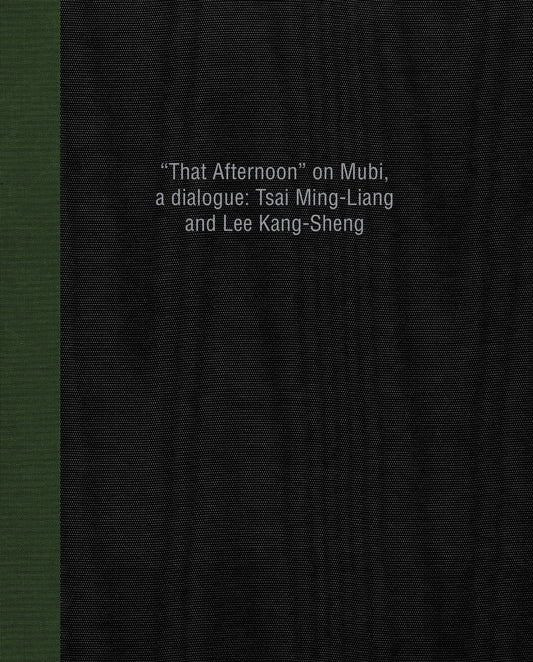
"THAT AFTERNOON" on Mubi, a dialogue: Tsai Ming-liang and Lee Kang-sheng
Regular price $25.00 USDRegular priceUnit price per -
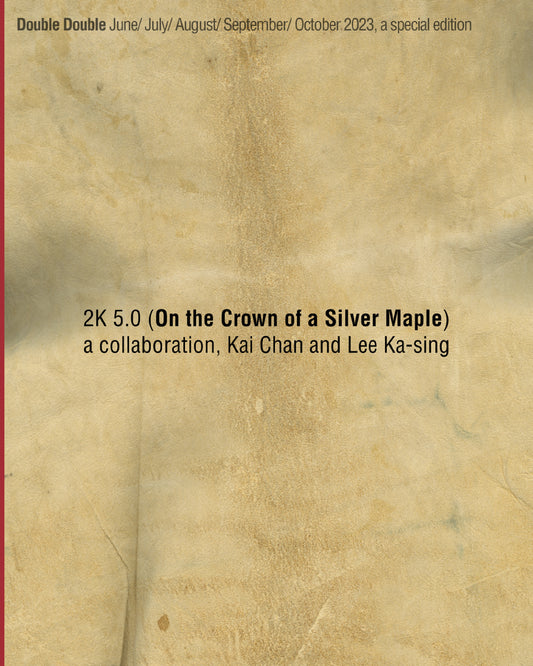
2K 5.0 (On the Crown of a Silver Maple)
Regular price $50.00 USDRegular priceUnit price per -
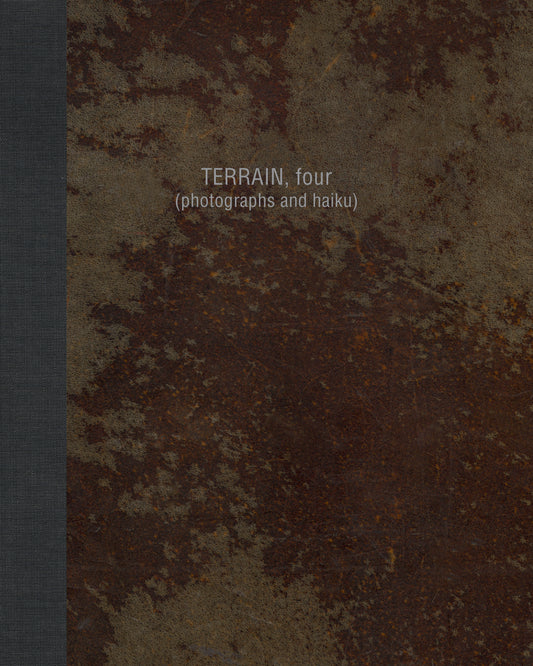
TERRAIN, four
Regular price $33.00 USDRegular priceUnit price per -
fly-in-love
Regular price $85.00 USDRegular priceUnit price per -
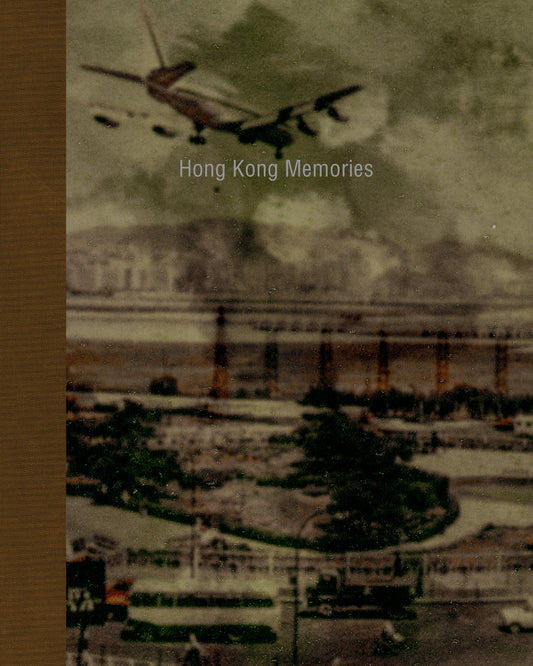
Hong Kong Memories
Regular price $33.00 USDRegular priceUnit price per -
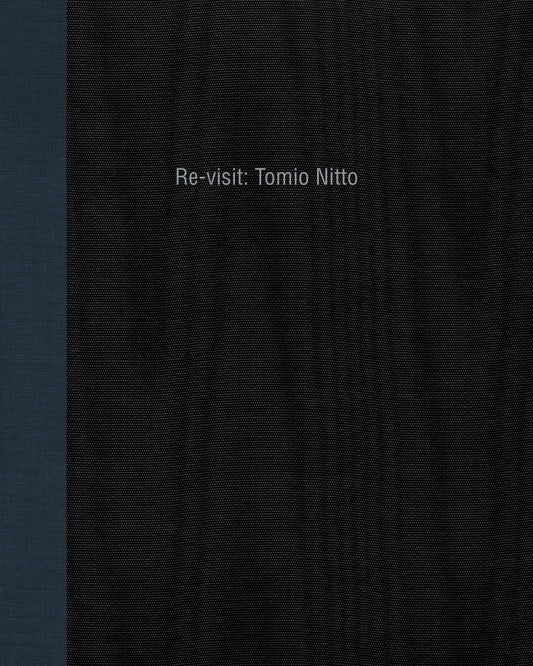
Re-visit: Tomio Nitto
Regular price $25.00 USDRegular priceUnit price per -
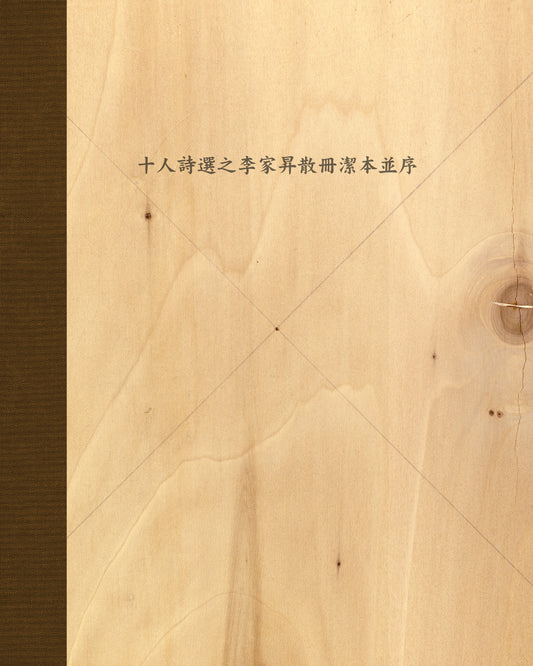
十人詩選之李家昇散冊潔本並序
Regular price $15.00 USDRegular priceUnit price per -
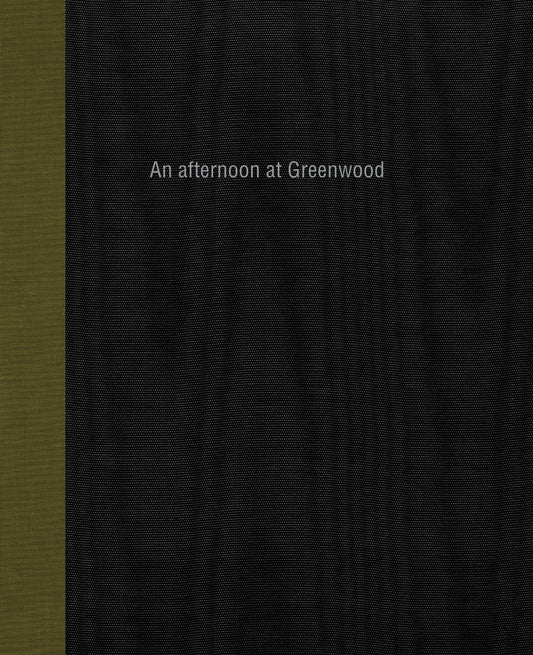
An afternoon at Greenwood
Regular price $25.00 USDRegular priceUnit price per -
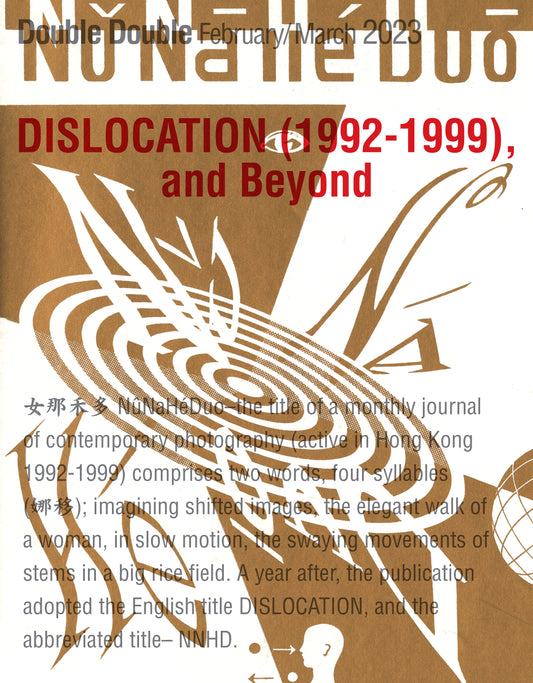
女那禾多 DISLOCATION (1992-1999), and Beyond
Regular price $70.00 USDRegular priceUnit price per -
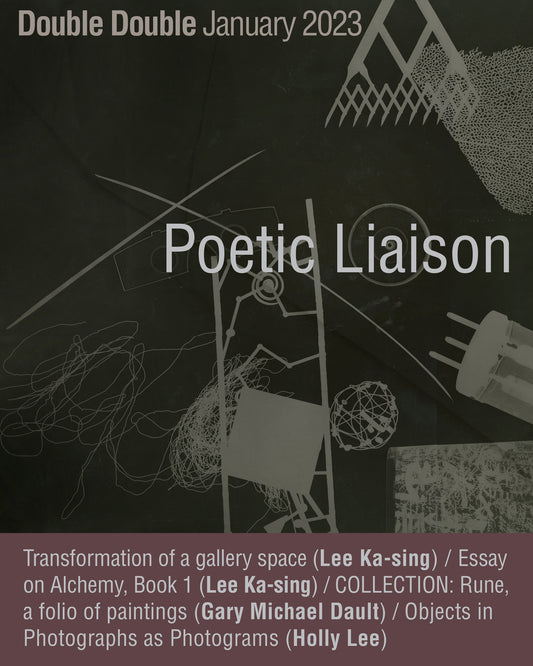
Poetic Liaison
Regular price $45.00 USDRegular priceUnit price per -
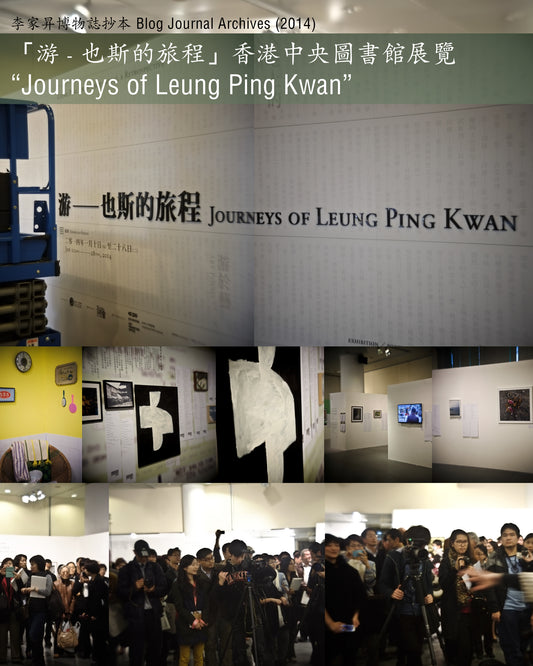
“Journeys of Leung Ping Kwan”,「游 - 也斯的旅程」香港中央圖書館展覽
Regular price $25.00 USDRegular priceUnit price per -
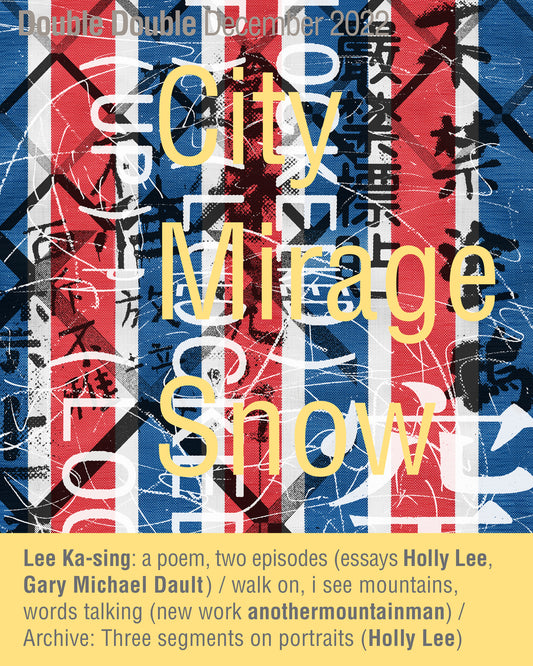
City Mirage Snow
Regular price $45.00 USDRegular priceUnit price per -
Diary of a Sunflower, Book Two
Regular price $80.00 USDRegular priceUnit price per -
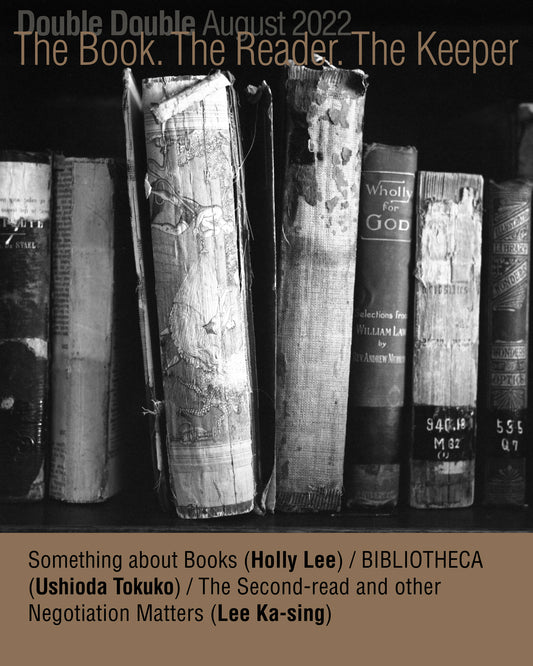
The Book The Reader The Keeper
Regular price $45.00 USDRegular priceUnit price per -
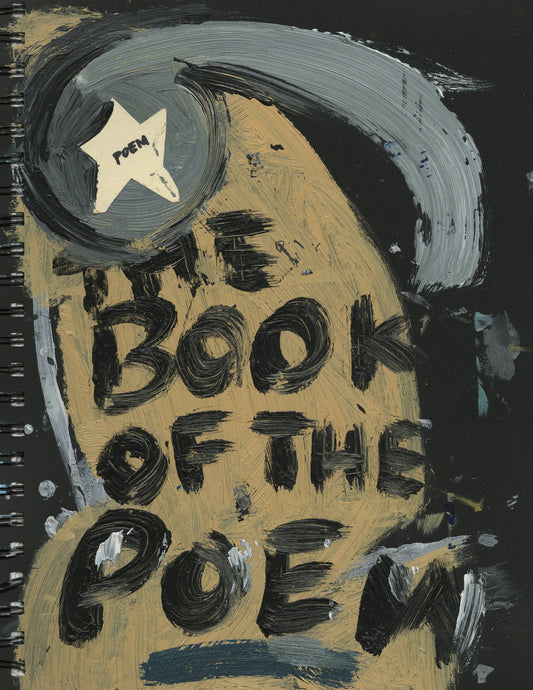
The Book of the Poem
Regular price $20.00 USDRegular priceUnit price per -
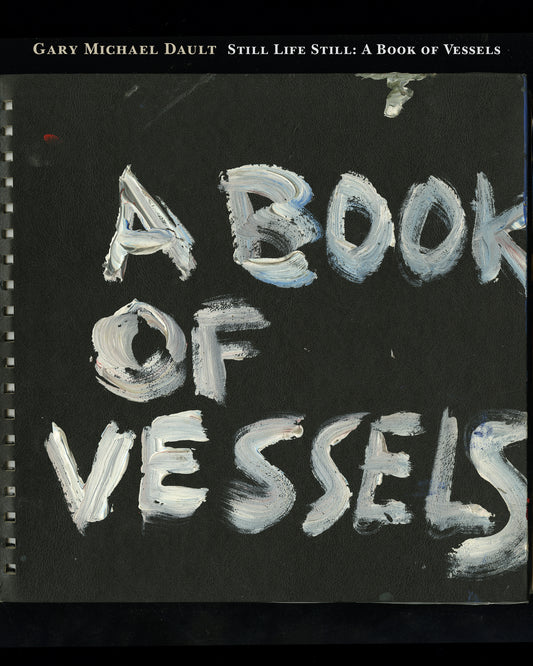
Still Life Still: A Book of Vessels
Regular price $40.00 USDRegular priceUnit price per




Lee Ka-sing: [moment / memory] Op.90 (2026)
Holly Lee Archive Column at M Post

LIBRARY FEATURE: DISLOCATION (1992–1999) and Beyond,
-
"THAT AFTERNOON" on Mubi, a dialogue: Tsai Ming-liang and Lee Kang-sheng
Vendor:Lee Ka-singRegular price $25.00 USDRegular priceUnit price per -
2K 5.0 (On the Crown of a Silver Maple)
Vendor:Lee Ka-singRegular price $50.00 USDRegular priceUnit price per -
TERRAIN, four
Vendor:Lee Ka-singRegular price $33.00 USDRegular priceUnit price per -
fly-in-love
Vendor:Lee Ka-singRegular price $85.00 USDRegular priceUnit price per -
Re-visit: Tomio Nitto
Vendor:Lee Ka-singRegular price $25.00 USDRegular priceUnit price per -
十人詩選之李家昇散冊潔本並序
Vendor:Lee Ka-singRegular price $15.00 USDRegular priceUnit price per -
An afternoon at Greenwood
Vendor:Lee Ka-singRegular price $25.00 USDRegular priceUnit price per -
“Journeys of Leung Ping Kwan”,「游 - 也斯的旅程」香港中央圖書館展覽
Vendor:Lee Ka-singRegular price $25.00 USDRegular priceUnit price per -
Diary of a Sunflower, Book Two
Vendor:Lee Ka-singRegular price $80.00 USDRegular priceUnit price per -
Foodscape, Vancouver 1997 [食事地域誌] 複刻本
Vendor:Lee Ka-singRegular price $25.00 USDRegular priceUnit price per -
Eighty Two Photographs
Vendor:Lee Ka-singRegular price $40.00 USDRegular priceUnit price per -
Time Machine
Vendor:Lee Ka-singRegular price From $5.00 USDRegular priceUnit price per -
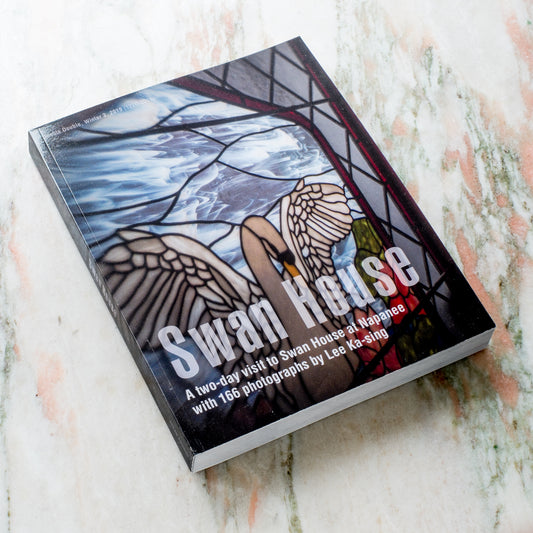
Swan House
Vendor:Lee Ka-singRegular price $40.00 USDRegular priceUnit price per -
CODA ebook edition
Vendor:Lee Ka-singRegular price $75.00 USDRegular priceUnit price per
![Foodscape, Vancouver 1997 [食事地域誌] 複刻本](http://oceanpounds.com/cdn/shop/products/Foodscape-Vancouver-1997-Cover.jpg?v=1648140385&width=533)
ONGOING: [Library Highlight] Current issue and Previous chapters

ONGOING: [Snail Mail from the Lee Ka-sing and Holly Lee Archive]
-
女那禾多 DISLOCATION (1992-1999), and Beyond
Regular price $70.00 USDRegular priceUnit price per -
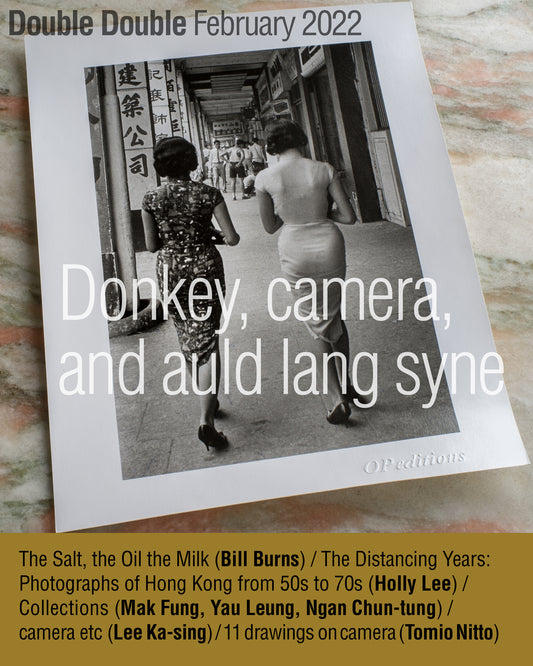
Donkey, camera and auld lang syne
Regular price $45.00 USDRegular priceUnit price per -
The Book The Reader The Keeper
Regular price $45.00 USDRegular priceUnit price per -
Poetic Liaison
Regular price $45.00 USDRegular priceUnit price per -
City Mirage Snow
Regular price $45.00 USDRegular priceUnit price per -
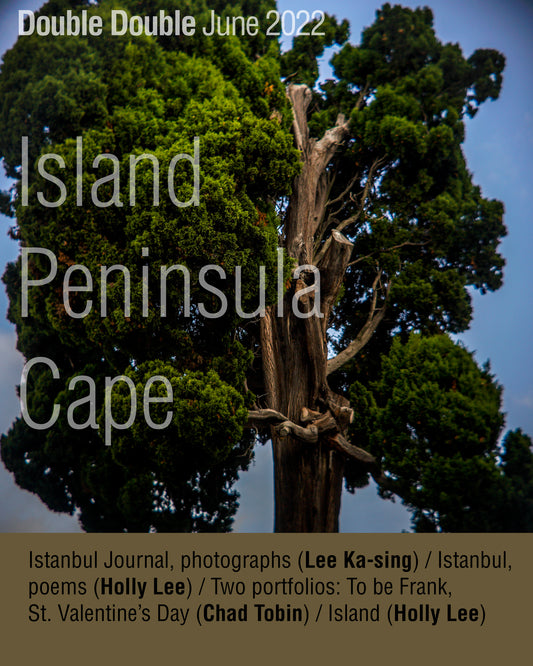
Island Peninsula Cape
Regular price $45.00 USDRegular priceUnit price per -
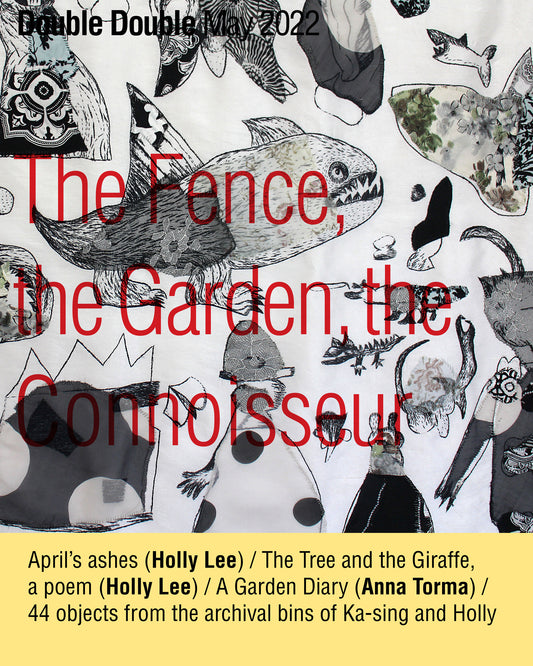
The Fence, the Garden, the Connoisseur
Regular price $45.00 USDRegular priceUnit price per -
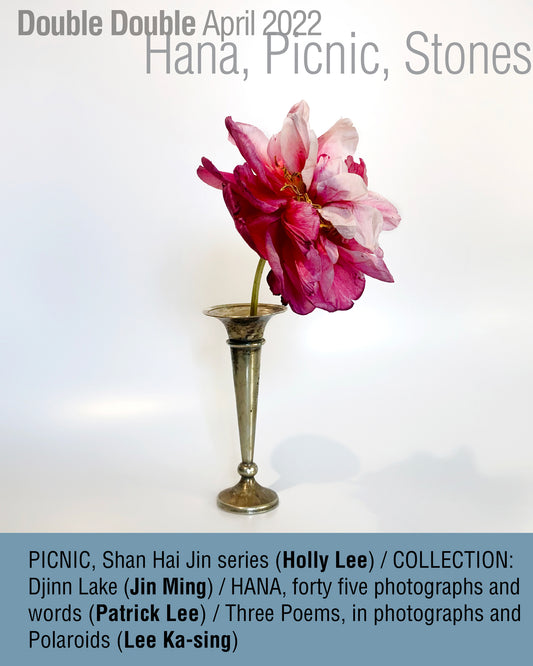
Hana, Picnic, Stones
Regular price $45.00 USDRegular priceUnit price per -
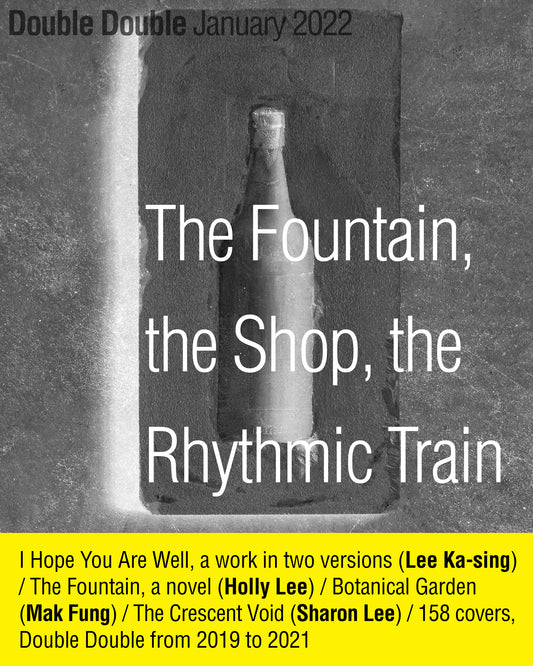
The Fountain, the Shop, the Rhythmic Train
Regular price $45.00 USDRegular priceUnit price per
[Yesterday Hong Kong] Original fibre-based silver prints by Yau Leung, Mak Fung, and Ngan Chun-tung, printed in the 1990s and signed by the artists.
-
Crowds celebrating New Year in front of Hong Kong And Shanghai Banking building
Regular price $4,500.00 USDRegular priceUnit price per -
Close-up of Hong Kong And Shanghai Banking Corporation building
Regular price $4,500.00 USDRegular priceUnit price per


